FREE Belly Hydration Mask OR Baby Washcloth Set with with orders over $100. Limited time only.
Stretch marks 101: Everything you need to know.
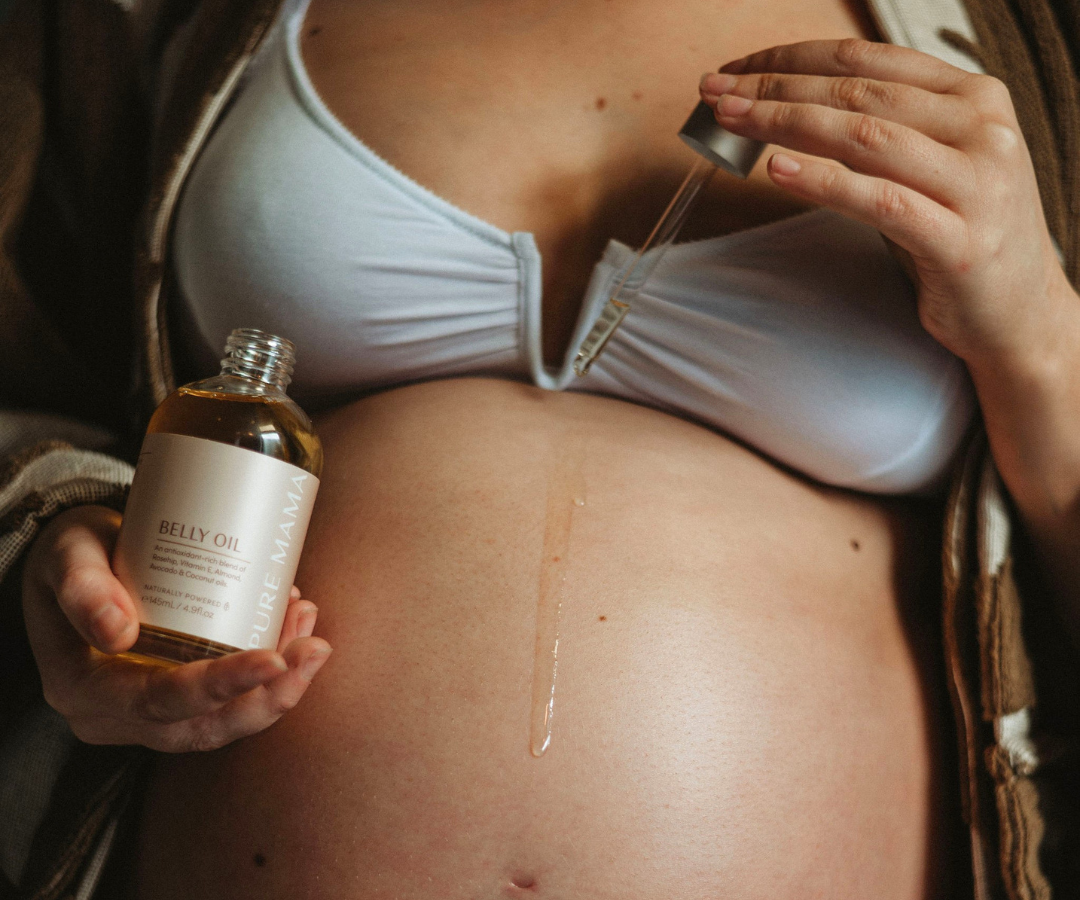
Stretch marks are one of the most common skin changes women experience during pregnancy.
As your belly, breasts and hips grow to accommodate your baby, the skin is required to stretch rapidly over a relatively short period of time. For many women, this can lead to the development of stretch marks, or striae.
One of the most common questions we hear is: Can stretch marks be prevented during pregnancy?
The answer isn't entirely straightforward.
While genetics play an important role in determining how your skin responds to pregnancy, they aren't the only factor. Hydration, nutrition and a consistent skincare routine can all help support skin health, elasticity and comfort as your body changes.
When it comes to supporting skin through pregnancy, we believe there are three factors that matter most:
1. Hydration from within
2. Supporting skin from the outside
3. Postpartum care
As well as:
10 facts you’d want to know
Let's take a closer look.
Did you know? When stretch marks are purple, red, or pink they are considered young. These are the blood vessels underneath the skin showing through the tears in the dermis. At this point, the stretch marks have not yet matured which typically takes between 6-12 months. After this, they will start to go silver, white, or translucent and can be a lot harder to treat.
 Hydration Starts From Within
Healthy skin starts from the inside out.
During pregnancy, your body's fluid requirements increase significantly as it supports both you and your growing baby. At the same time, your skin is being asked to adapt to months of growth and change.
Supporting hydration through adequate water intake, alongside a nutrient-rich diet containing healthy fats, vitamins and antioxidants, helps create the best possible foundation for healthy skin. Focus on foods that are high in:
- Vitamin C: Helps with collagen production, found in citrus fruits, berries, and leafy greens.
- Vitamin E: A powerful antioxidant found in nuts, seeds, and spinach.
- Zinc: Supports healing and repair, found in pumpkin seeds, chickpeas, and whole grains.
 Supporting Skin From The Outside
Just as hydration from within matters, so too does hydration on the surface of the skin.
As your belly grows, it's common to experience dryness, tightness and itchiness. Supporting the skin barrier with a consistent skincare routine helps replenish moisture and keep skin feeling soft, supple and comfortable throughout pregnancy.
This is where a simple two-step ritual can make all the difference: exfoliate first, then nourish.

Step One: Exfoliation Supports Skin Renewal
Think of exfoliation as pressing reset on your skin.
As your belly grows, dry skin and dead skin cells can build up on the surface, leaving skin feeling rough and less receptive to hydration. Gentle exfoliation helps reveal smoother, softer skin underneath and prepares it to better absorb the nourishment that follows.
Our Body Scrub combines finely milled Bamboo Powder and gentle Pumice to buff away dull skin, while Shea Butter, Coconut Oil and Sweet Almond Oil leave skin feeling soft, hydrated and refreshed. We recommend exfoliating 2-3 times per week.

Step Two: Nourish And Maintain Hydration
A growing belly demands a lot from your skin.
As it stretches and changes, keeping it hydrated becomes one of the simplest ways to support comfort and maintain softness throughout pregnancy.

That's why our Best Selling Belly & Body Oil combines a carefully selected blend of botanical oils, each chosen for the unique role it plays in supporting healthy-looking skin:
Rosehip Oil
Rich in essential fatty acids, vitamins and antioxidants, Rosehip Oil helps support skin regeneration and maintain healthy-looking skin.
Jojoba Oil
Known for its ability to closely mimic the skin's natural oils, Jojoba Oil helps deliver long-lasting hydration while supporting the skin barrier.
Sweet Almond Oil
A long-standing favourite in pregnancy skincare, Sweet Almond Oil helps nourish and soften the skin while supporting moisture retention.
Avocado Oil
Rich in vitamins A, D and E, Avocado Oil provides deep nourishment to help maintain skin softness and comfort.
Pomegranate Seed Oil
Packed with antioxidants and naturally occurring compounds that support healthy skin function, Pomegranate Seed Oil helps maintain a resilient skin barrier.

1. Why Postpartum Care Matters
One of the biggest misconceptions about stretch marks is that your belly care ritual ends once baby arrives. In reality, your skin continues to recover and remodel for many months postpartum.
This is why we encourage women to continue caring for their skin long after birth. Regular exfoliation helps support natural skin renewal, while ongoing hydration helps maintain softness, comfort and resilience as your body adjusts following pregnancy.
Many women find that continuing to use both Body Scrub and Belly & Body Oil postpartum helps their skin feel smoother, softer and better supported throughout recovery.
Together, our Body Scrub and Belly & Body Oil create a simple two-step routine designed to support skin as it stretches and changes throughout pregnancy. You'll find both in our Bump Love Set; a daily ritual loved by thousands of mothers.

10 facts you’d want to know
1. Stretch marks are one of the most common skin changes during pregnancy.
Up to 90% of women develop stretch marks, most commonly during the third trimester when growth is at its fastest.
2. Stretch marks aren't unique to pregnancy.
They can also occur during puberty, periods of rapid growth, weight fluctuations and muscle gain, affecting both men and women.
3. Hormones play a role too.
Pregnancy hormones can influence skin elasticity and collagen production, making skin more susceptible to stretch marks during periods of rapid change.
4. Stretch marks can appear in more places than just your belly.
The breasts, hips, thighs and buttocks are also common areas due to rapid growth and stretching.
5. Genetics can influence how your skin responds.
If your mother or close family members developed stretch marks, you may be more likely to experience them too.
6. Not all stretch marks look the same.
Their colour and appearance can vary depending on skin tone. On lighter skin they often appear red or purple initially, while on deeper skin tones they may appear darker, brown or grey before gradually fading.
7. Stretch marks naturally evolve over time.
As they mature, they typically become flatter, softer and less noticeable than when they first appear.
8. Stretch marks are a form of scarring.
Because they develop within the deeper layers of the skin, they can't be completely removed. Most skincare focuses on supporting skin health and improving their appearance over time.
9. Newer stretch marks are generally more responsive to treatment.
This is why many skincare professionals recommend supporting the skin early and maintaining a consistent routine throughout pregnancy and postpartum.
10. Stretch marks are a normal part of many pregnancy journeys.
They are not a sign that you've done anything wrong. For many women, they're simply a reflection of the remarkable changes the body undergoes while growing a baby.

Want to learn more about pregnancy skincare? Explore our full range of pregnancy-safe products and discover how to keep your skin feeling amazing during every stage of motherhood.