YOUR FREE GIFT. Receive our Limited Edition Luxe Tote Bag, with qualifying orders.
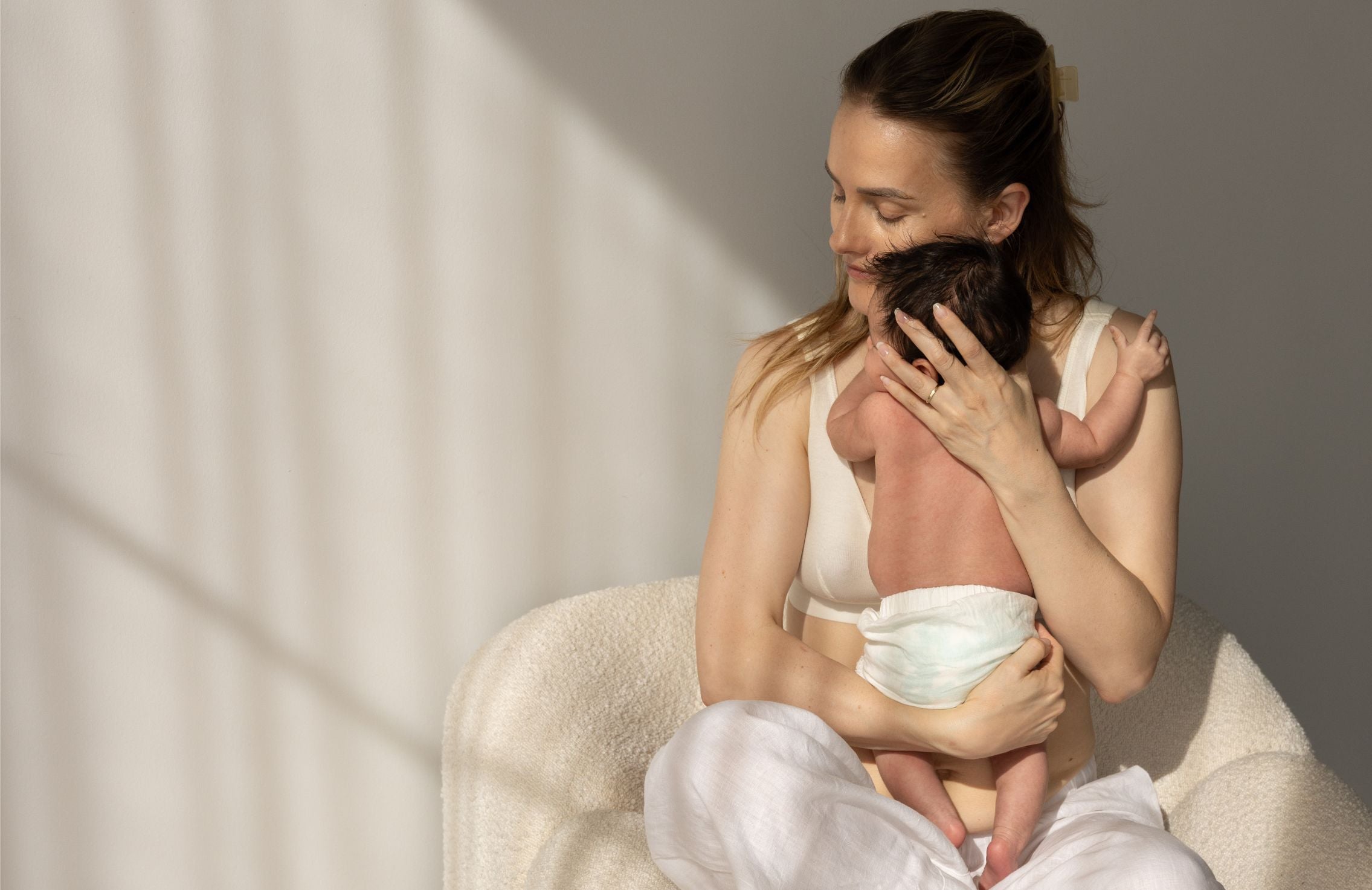
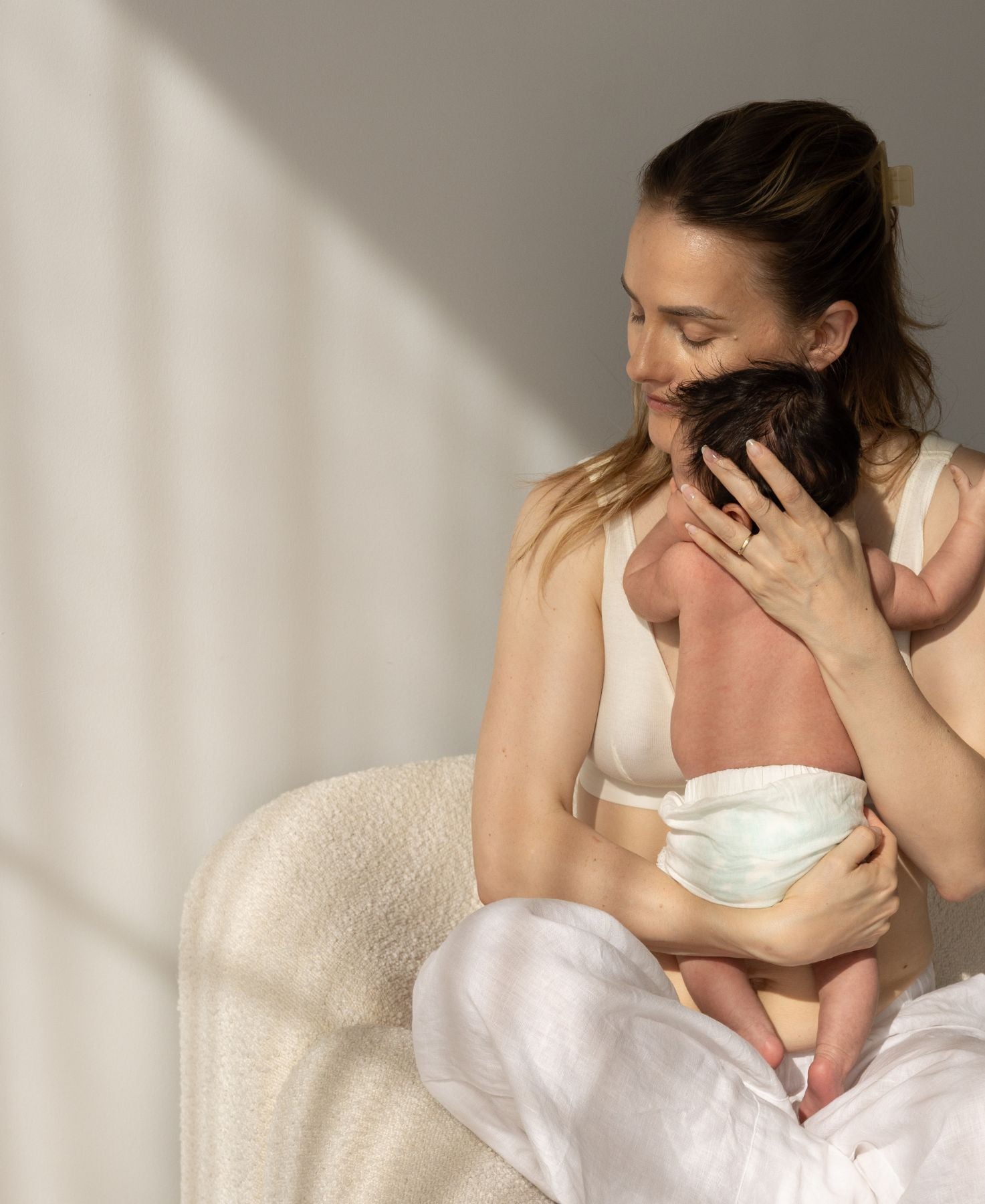
Below you’ll find product benefits, step-by-step directions, ingredient highlights, and helpful answers to common questions about your journey through birth and postpartum.

YOUR GUIDE TO
Perineal Massage Oil
Research shows regular perineal massage from 34–35 weeks of pregnancy can:
- + Reduce the risk of severe perineal tearing (3rd and 4th degree) by 64%
- + Lower the likelihood of needing an episiotomy by 21%
- + Improve wound healing post-birth
- + Reduce postpartum perineal pain
- + Support long-term pelvic floor health and reduce incontinence risk
By gently preparing the tissues to stretch, you’re helping your body experience a smoother, less traumatic birth.
Refer to our complete guide below where Jess Kostos, a Women's Health Expert, explains everything you'll need to know about how to practise safe perineal massage.
PREPARING FOR PERINEAL MASSAGE
- + Warm up the area: A warm bath or compress can help soften the skin before you begin.
- + Get comfortable: Find a quiet space, relax your body, and use pillows or props for support.
HOW TO PERFORM PERINEAL MASSAGE: Two Techniques
TECHNIQUE 1: Reclining Position
- Lay back comfortably on a clean towel with your knees bent and legs apart. Prop yourself up with pillows if needed.
- Using PURE MAMA Perineal Massage Oil, gently insert both thumbs or fingers (if a partner is assisting) 3–5 cm into the vagina.
- Firmly press downward toward 5 and 7 o’clock.
- Progress into a sweeping, U-shaped motion across the lower part of the vagina.
TECHNIQUE 2: Standing Position
- Stand with one leg raised on a small chair (like a lunge).
- Using PURE MAMA Perineal Massage Oil, reach your hand behind, gently inserting one thumb 3–5 cm into the vagina.
- Apply firm, downward pressure toward 5 and 7 o’clock.
- Hold the stretch for 1 minute, then sweep across before switching sides
When should I start perineal massage?
Begin at 34–35 weeks of pregnancy, performing it 3–4 times per week.
Does perineal massage prevent tearing?
Studies show regular perineal massage significantly lowers the risk of severe tears and the need for an episiotomy.
Is perineal massage painful?
You may feel a strong stretching or stinging sensation, similar to what you may experience during birth. It should not be sharply painful.
Can perineal massage prevent incontinence and pelvic organ prolapse?
By reducing severe perineal trauma, massage supports pelvic floor integrity, helping prevent long-term issues like prolapse and incontinence.
Can perineal massage prevent an episiotomy?
Yes, improving the perineum’s stretchability reduces the chances of needing a surgical cut during birth.
What if I can’t reach my perineum?
You can use a pelvic massage wand for easier access, or ask your partner for help.
Is perineal massage safe?
Yes, for most women after 34 weeks. Always check with your healthcare provider if you have complications such as placenta previa or vaginal infections.
- + Evening Primrose Oil: Rich in essential fatty acids, it helps improve skin elasticity and softness to support the skin's ability to stretch, making it ideal for perineal massage in the lead up to birth.
- + Apricot Kernel Oil: Lightweight and deeply nourishing, it absorbs easily to hydrate and soothe delicate skin. Perfect for gentle, daily use.
- + Calendula: Widely known for its anti-inflammatory and soothing properties. Rich in antioxidants, it’s a gentle botanical that nurtures, protects, and promotes skin resilience.
- + Vitamin E: Supports collagen production and promotes skin strength, helping to reduce the likelihood of tearing during labour.
- + Rosemary Extract: Helps to defend the skin and support healthy circulation. Its revitalising properties help strengthen and refresh the skin, encouraging optimal skin health.

YOUR GUIDE TO
Post Birth Relief Spray
Our Post Birth Relief Spray is a gentle, no-touch mist designed to deliver instant relief to tender, swollen or inflamed vaginal are after delivery. Whether you’ve experienced grazing, tearing, stitches, or general discomfort, this powerful yet soothing postnatal spray has your recovery covered.
- + Provides instant cooling relief after birth
- + Helps reduce swelling and soothe sensitivity
- + Supports healing of minor tears and stitches
- + Easy, upside-down spray
- + Midwife & obstetrician approved
- + Trusted and used in hospitals
VAGINAL BIRTH
Shake well before each use to mix the natural ingredients.
Hold the bottle approximately 15cm from your perineum, then mist the area 2-3 times for a soothing, cooling sensation, especially after using the bathroom or during pad changes.
Spray upside down to reach the perineal area easily.
Store in the fridge if available, cold spray enhances the cooling, anti‑swelling effect.
Spray as often as needed, particularly after urination or bowel movements, to relieve stinging and promote hygiene.
If using sterile padsicles or sanitary pads, you can also spray directly onto the pad, freeze it, and then apply as a cooling compress.
C-SECTION BIRTH
Consult your Lead Maternity Carer before use to confirm suitability for your personal healing needs.
Spray lightly onto a clean pad or gauze, then gently apply over the incision area. Avoid direct spraying to be cautious in the initial healing phase. Keep the incision area clean and dry.
Stop use if redness, swelling, or discharge occurs and seek medical advice.
Can this spray help with swelling and inflammation? Yes, it is specifically formulated to help reduce swelling and calm inflammation. Ingredients like witch hazel and SyriCalm™ are known for their anti-inflammatory properties, making it ideal for post-birth relief.
Can I use this spray on stitches or a perineal tear? Yes, the spray is safe to use on external stitches and perineal tears. It provides gentle cooling and soothing relief. As always, if you notice increased discomfort, speak to your Lead Maternity Carer.
Is the Post Birth Relief Spray safe to use after a C-section? Yes, you can use the spray after a C-section. We recommend spraying onto a clean pad or gauze and gently dabbing around the area, rather than spraying directly on the incision. Always check with your care provider before using any new product on or near the wound.
Can I use this spray on haemorrhoids? Yes, the spray can be used externally on haemorrhoids. Its cooling and anti-inflammatory ingredients can help ease discomfort and soothe irritated skin.
What makes this spray different from other postpartum sprays? Our formula is naturally derived, organic, and designed specifically for the sensitive postpartum period. It contains SyriCalm™, a plant-based active clinically shown to reduce redness and discomfort. Combined with Manuka, Witch Hazel and Aloe Vera, it delivers a calming, cooling effect without synthetic fragrance or unnecessary fillers.
Is the formula safe for sensitive skin or allergies? Yes, the spray is dermatologically tested and free from common irritants. It is suitable for sensitive skin. However, as with any new product, we recommend doing a patch test before first use, if you irritate easily.
Can I use this spray in combination with other postpartum products (like padsicles or sitz baths)? Absolutely. You can spray it directly onto maternity pads or padsicles before freezing. It can also be used before or after sitz baths to enhance relief and keep the area fresh between soaks.
Is it safe to use if I’m still bleeding after birth (lochia)? Yes, the spray is safe to use during the lochia phase. Just ensure you are spraying onto clean, intact skin and changing pads regularly to maintain hygiene.
Do I need to rinse it off after spraying? No rinsing is required. Simply spray and allow it to absorb or air dry. It is designed for leave-on use and does not leave any sticky residue.
Can I use the spray immediately after birth? Yes, you can use it from day one, as long as your care provider has not advised against it. It is ideal for hospital bags and immediate postpartum care.
Can I continue using the spray even weeks after birth? Yes. Many women continue using it for several weeks postpartum or any time they feel irritation or sensitivity in the area. It’s a great product to have on hand during the recovery journey.
What does it feel like when applied? Does it sting or burn? How much immediate discomfort is normal? The spray is designed to feel cool and calming. You may feel a light tingling sensation as the ingredients begin to work, but it should not sting or burn. If you experience any discomfort beyond a slight tingle, discontinue use and speak with your care provider.
How long will one bottle last with regular use? On average, one bottle will last around 2 to 3 weeks with consistent daily use. This may vary depending on how often you spray and whether you are using it on pads as well.
Is the spray suitable for use after every toilet trip? Yes, it is ideal for use after every bathroom visit. Many women use it in place of traditional wipes for a refreshing and hygienic cleanse.
Does the spray have a scent or fragrance? The spray is free from synthetic fragrances. It has a light, natural scent from the botanical ingredients, which most users find subtle and pleasant.
- + Witch Hazel: A gentle astringent that helps reduce swelling, ease discomfort, and calm inflamed skin. A safe alternative to synthetic numbing ingredients.
- + Aloe Vera: Known for its cooling and calming properties, Aloe Vera helps to soothe irritated skin, reduce redness, and support healing. Ideal for tender, sensitive areas post-birth.
- + NZ Native Kawakawa: A native New Zealand ingredient, Manuka is used for its natural antimicrobial and healing benefits, helping to protect the skin barrier and support recovery.
- + Syricalm™: Combining Phragmites Kharka Extract and Poria Cocos Extractis (mushrooms) that have potent actives to reduce inflammation and strengthen skin.
- + Cucumber: Naturally rich in antioxidants and hydration, Cucumber extract helps refresh, calm, and cool the skin while reducing puffiness and irritation.

YOUR GUIDE TO
Peri Wash Bottle
Thoughtfully designed to calm tender skin, promote hygiene, and bring a moment of comfort when you need it most.
Why you’ll love it:
- + Gentle, mess-free cleansing, no wiping required
- + Soothes stinging and supports healing
- + Ergonomic, upside-down design for easy use
- + Discreet, travel-friendly, and reusable
- + BPA-free and recyclable (400ml capacity)
STEP 1: Fill your bottle with warm water, attach the lid and extend the spout to click into place.
STEP 2: While seated on the toilet, hold the bottle upside down, directing the spout toward the perineal area.
STEP 3: Gently squeeze the bottle to release a steady stream of water while urinating. Use as often as required.
What is a peri wash bottle, and why do I need one? A peri wash bottle is a handheld, squeeze bottle designed to gently cleanse your perineal area after childbirth. Post-delivery, this area can be tender, swollen, or stitched, making traditional wiping uncomfortable. Using warm water from a peri wash bottle helps soothe discomfort, reduce stinging during urination, and maintain hygiene without irritating sensitive tissues.
How do I use the peri wash bottle effectively? Fill the
bottle with warm (not hot) water. While seated on the toilet, hold the bottle upside down and direct the spout towards your perineal area. Gently squeeze to
release a stream of water, cleansing the area, while urinating. This method helps dilute urine, reducing stinging sensations, and promotes cleanliness.
Can I use the peri wash bottle if I had a C-section? Yes, even after a Cesarean delivery, a peri wash bottle can be beneficial. Postpartum bleeding, known as lochia, occurs regardless of delivery method. Additionally, if you laboured before the C-section, the perineal area might still be tender. Using a peri wash bottle helps maintain hygiene and can prevent strain on the abdominal incision by reducing the need for bending or reaching.
How long should I continue using the peri wash bottle after birth? The duration varies based on individual healing. Many women find it helpful for the first week postpartum, especially when the perineal area is most tender. However, it's safe to continue using it for several weeks or until you feel comfortable resuming regular hygiene practices.
Is it safe to add anything to the water in the peri wash bottle? Primarily, warm water is sufficient. Some women add a few drops of witch hazel or therapeutic-grade lavender essential oil for added soothing effects. However, always consult with your healthcare provider before introducing any additives to ensure they won't irritate sensitive tissues.
How do I clean and maintain my peri wash bottle? After each use, empty any remaining water and wash the bottle thoroughly with warm, soapy water. Rinse well to remove any soap residue and allow it to air dry completely before the next use. Regular cleaning prevents bacterial growth and ensures the bottle remains hygienic.

YOUR GUIDE TO
Nipple Butter
This butter instantly soothes, nourishes, and helps restores skin with a nutrient-rich blend of high-quality plant-based ingredients.
With an easy flip-top lid, this non-sticky, gentle buttery balm is fragrance and lanolin free.
- + Instantly soothes nipples
- + Repairs cracked raw skin
- + Deeply nourishes and aides healing
- + Safe for baby (no need to wash-off)
- + Gentle and non-allergenic
Begin applying to nipples from 34 weeks of pregnancy to help build the skin barrier in preparation for breastfeeding/pumping.
Once breastfeeding, gently pat nipples dry and apply a small amount of butter between feeds. No need to wipe off before feeding.
Is this safe to use while breastfeeding? Yes, this product was specifically designed to be used for breastfeeding mothers. The product has been dermatologically tested and is hypoallergenic.
Do I need to wash off before feeding? No you don’t. We would recommend using the butter after you have finished feeding and allowing it time to fully absorb in to the skin.
Can I use this during pregnancy? My nips are super dry and itchy. Yes totally. It works to help build you your skin barrier so we even recommend starting to use a couple of weeks before your due date.
Can I use this for anything else? It is the best everyday lip butter as well. It is also great for use on nappy rash and eczema.
Does it have any fragrance? No, this product is 100% fragrance free. It is important when breastfeeding for the mother’s natural odour to be dominant for the baby.
- + Beeswax: A low allergen, natural alternative to using Lanolin (a by product of sheeps wool) to form a protective barrier on the skin and help prevent moisture loss.
- + Shea Butter: A solid base carrier ingredient that includes high concentrations of fatty acids which soothe skin and help retain moisture by forming a protective barrier on the surface of the skin.
- + Calendula: Widely known for its anti-inflammatory and soothing properties, Calendula supports the healing of skin and helps to soothe inflamed, aggravated skin.
- + NZ Native Kawakawa: Praised for its incredible healing properties. It is now well known for healing of cuts, grazes, chapped lips etc. It safe for feeding and helps nipples recover, alleviating discomfort for mamas in need.
- + Raspberry Seed Oil: Rich in antioxidants and essential fatty acids, it deeply nourishes, soothes irritation, and helps protect sensitive, dry skin.
- + Marshmallow Extract: Globally renowned for its benefits to the skin, soothing, high-performing, and non-irritating.