FREE Belly Hydration Mask OR Baby Washcloth Set with orders over $100. Limited time only.
Dry nipples in pregnancy: A simple care guide for expectant mothers
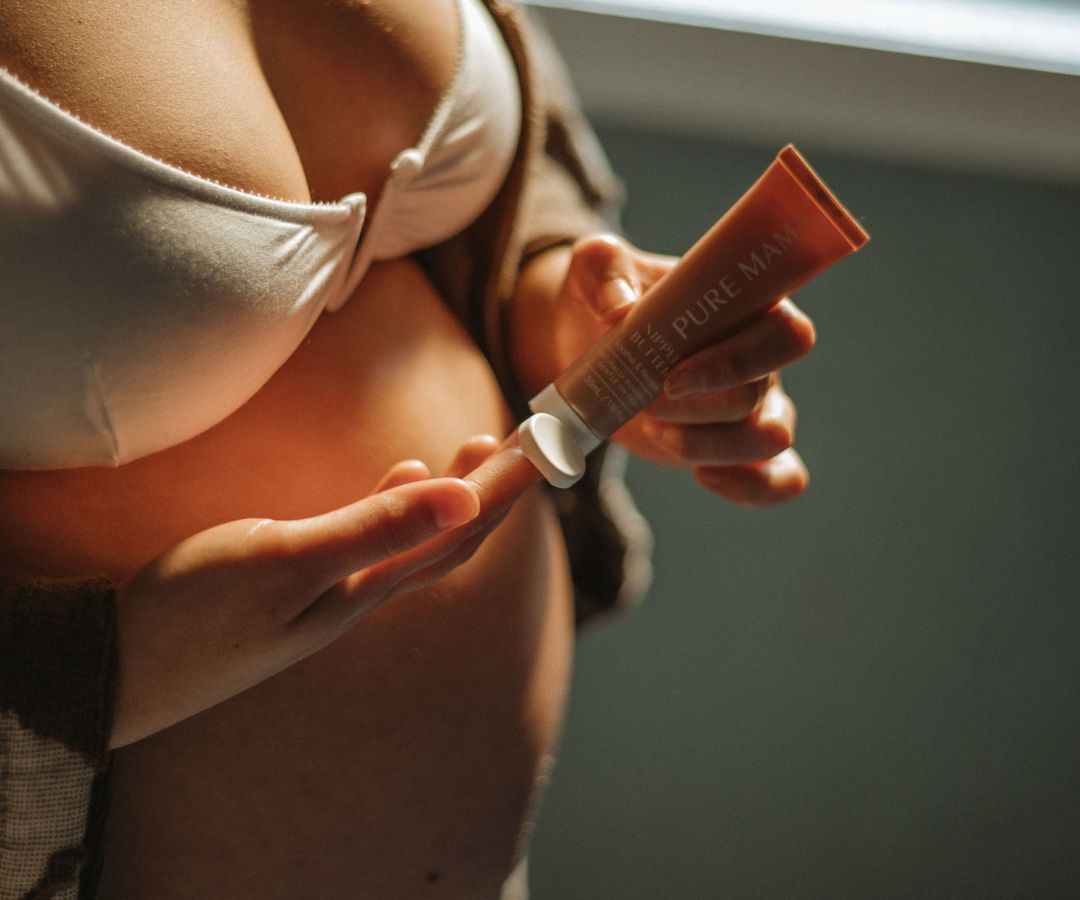
Sometimes the changes in pregnancy are obvious. A growing bump. A shifting silhouette. A different rhythm to your days.
And sometimes they are quieter. Subtle. Easy to question.
If you’ve noticed dryness, flaking, itchiness, or tenderness in your breasts during pregnancy, you’re not alone. Dry nipples during pregnancy are incredibly common, especially in the second and third trimester.
It can feel surprising. After all, feeding hasn’t started yet.
But your body has.

WHY DRYNESS HAPPENS DURING PREGNANCY
As your body prepares for feeding, your breasts are undergoing remarkable changes beneath the surface. Hormones increase, blood flow rises, and the skin stretches to accommodate growth. For many women, dryness is simply a sign that the body is preparing.
With all this change, the delicate skin around the nipple can lose moisture more easily. Add friction from bras, breast growth, and increased sensitivity, and dryness during pregnancy makes sense.
This is not a sign something is wrong. It’s a sign your body is adapting.
Still, normal doesn’t mean you need to feel uncomfortable. Applying some of our Nipple Butter daily, or as needed, can provide calming relief, helping to soften, soothe and replenish moisture as your skin adjusts.
PREPARING NIPPLES FOR BREASTFEEDING OR PUMPING BEFORE BIRTH
Just as many women prepare their perineum for birth, it can be helpful to prepare the nipple area before breastfeeding begins.
Around 34 to 36 weeks, many mothers begin using perineal massage oil to support elasticity before labour. This same six-week window is a beautiful time to begin a gentle nipple care routine.
Consistent hydration supports skin suppleness. Well-nourished skin tends to feel more comfortable and resilient in the early postpartum days, when feeding is new and frequent. Preparing nipples for breastfeeding doesn’t need to be complicated. It simply means keeping the skin soft, hydrated, and supported before baby arrives.
A small, daily ritual can make a meaningful difference later.
CHOOSING A LANOLIN-FREE NIPPLE BALM IN PREGNANCY
When selecting a nipple balm for pregnancy and postpartum, look for something deeply hydrating, fragrance-free, and safe to leave on the skin. Many women prefer a lanolin-free nipple butter, particularly if they have sensitive skin.
Our Nipple Butter was created specifically for this stage. It is clinically tested, lanolin free, and formulated to deliver long-lasting hydration to delicate skin without unnecessary fillers. It can be used in late pregnancy to support dry or sensitive nipples and continued into breastfeeding without the need to remove before feeds.
It melts gently into the skin and becomes part of a calming evening ritual, alongside your Belly & Body Oil and, in those final weeks, your Perineal Massage Oil.
Not once problems appear, but as preparation.

WHEN TO START NIPPLE CARE IN PREGNANCY
If you’re wondering when to start using nipple butter in pregnancy, the final six weeks before birth is a thoughtful time. This allows the skin to build and maintain hydration before feeding begins.
If dryness appears earlier, you can absolutely begin sooner. There is no strict rule. The goal is comfort and gentle support.
Because pregnancy is not just about growing a baby. It is about preparing your body for what comes next.
If your skin feels drier than usual right now, know that it is common. Dry nipples in pregnancy are part of the body’s remarkable transition into motherhood.
And with a little daily nourishment, you can move into those early feeds feeling softer, steadier, and quietly prepared.
Start your ritual today with our dermatologically tested Nipple Butter.